Protecting Your Winter Wardrobe: Dealing with Moths in Your Winter Jumpers
Pest Control London » News » Protecting Your Winter Wardrobe: Dealing with Moths in Your Winter Jumpers
24 November 2023
Protecting Your Winter Wardrobe: Dealing with Moths in Your Winter Jumpers
Winter is the season for cosying up in warm, woollen jumpers and knitted sweaters. However, there’s nothing cosy about discovering a clothes moth infestation in your wardrobe.
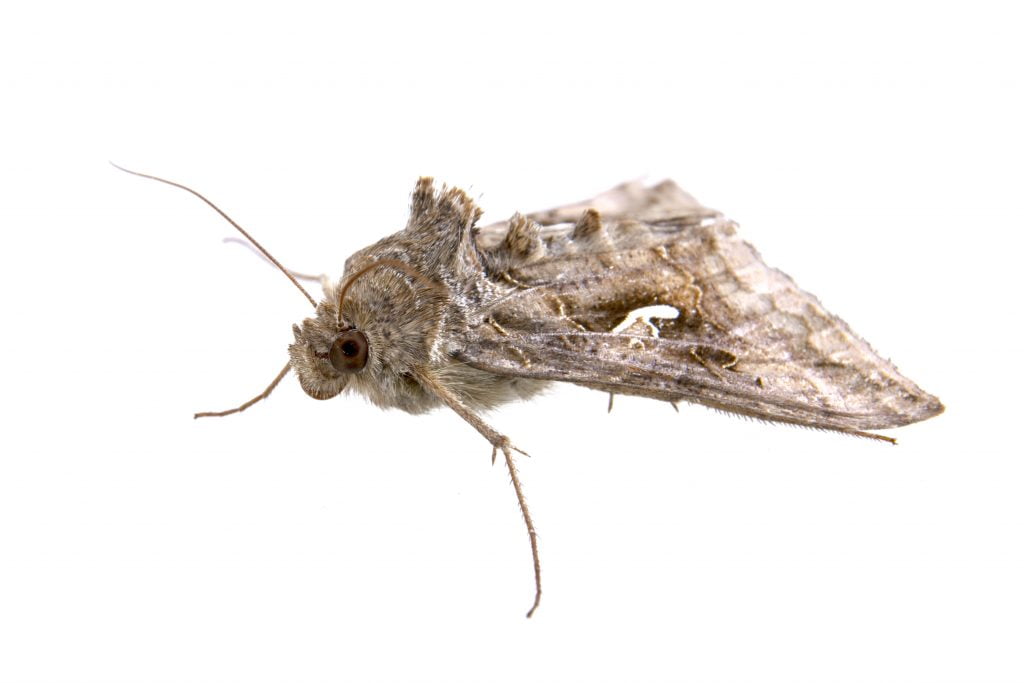
These tiny pests, including the common clothes moth and webbing clothes moth, can cause serious damage to natural fibres like wool clothing, cotton fibres, and cashmere. While adult moths are often what you see flying around, it’s actually the clothes moth larvae that are the damaging stage, feeding on your garments and leaving behind small holes.
In this guide, we’ll explain how to get rid of clothes moths, how to identify a moth problem, and the best ways to prevent moths from returning.
What Causes a Clothes Moth Infestation?
A moth infestation usually begins when adult moths enter your home and begin the egg-laying process in dark, undisturbed areas. These include:
Carpeted areas beneath furniture
Beneath collars or inside folds of clothing
Upholstered furniture and wardrobes
Skirting boards and hidden locations
Once moth eggs hatch, the moth larvae feed on natural fibres, especially those with traces of sweat, food, or urine stains. This is why even clean clothes can sometimes be at risk if not properly stored.
Signs of a Clothes Moth Problem
Spotting a clothes moth problem early can help you avoid serious damage. Look out for small holes in wool, cotton blends, or other materials, silky webbing on clothing, larvae or caterpillar-like insects, or increased moth activity.
It’s also important not to confuse them with carpet beetles, which can cause similar damage but require different treatment.
How to Get Rid of Clothes Moths
If you’re dealing with a clothes moth infestation, quick action is essential to kill moths and stop the breeding cycle.
1. Isolate Infested Items
Start by identifying every infested item. Place affected clothing in a sealed plastic bag or airtight container to stop the spread.
2. Wash, Freeze, or Dry Clean
Wash items in hot water (dry clean clothes if delicate), or freeze clothing for several days. This helps eliminate even the remaining larvae that may not be visible.
3. Deep Clean Your Home
A thorough deep clean is key to effective clothes moth control. Using a vacuum cleaner regularly helps remove eggs and larvae before they develop.
4. Use Moth Traps and Treatments
Pheromone traps and sticky traps attract male moths, helping monitor and reduce breeding. Moth traps can highlight areas of high moth activity. In severe cases, treatments like smoke bombs or professional-grade solutions may be needed. You can also consider natural solutions like parasitic wasps, which target moth eggs.
5. Consider Professional Pest Control
If your moth infestation is severe or keeps returning (re infestation), it may be time to contact pest control professionals. This is especially important in heated buildings, where moths can survive year-round due to warmer winters.
Preventing Clothes Moths
Prevention is the first line of defence against moths, and there are several steps you can take to safeguard your winter jumpers.
1. Proper Storage
To prevent moths from infesting your winter wardrobe, start with proper storage.
Before storing your winter jumpers, make sure they are clean. Moths are attracted to the natural oils and scents found on worn clothing, so launder or dry clean your garments first.
Invest in airtight storage containers or vacuum-sealed bags. Moths cannot penetrate these containers, keeping your jumpers safe.
Place cedarwood sachets, blocks, or balls in your storage containers. Moths dislike the scent of cedar and will stay away from your clothes.
2. Regular Cleaning
Regularly inspect your stored jumpers. This allows you to catch any signs of moth activity early. Moths are less likely to infest garments that are regularly worn. Rotate your winter jumpers to ensure none are left untouched for long periods.
3. Natural Moth Repellents
Consider using natural moth repellents:
a. Lavender: Moths dislike the strong scent of lavender. Place sachets or dried lavender flowers in your storage containers.
b. Cloves: Cloves are another natural moth repellent. Place them in small pouches or scatter them in your storage area.
c. Mint: Mint leaves or mint oil can also deter moths. Use these as a natural repellent.
When to Call in Professional Pest Services
In some cases, dealing with a moth infestation in your winter jumpers may require the expertise of professional pest services. Here’s when you should consider making that call:
1. Severe Infestation
If the infestation is extensive and has spread beyond your winter jumpers to other parts of your home, such as closets, carpets, or furniture, it’s time to call professionals. They have the experience and tools to handle large-scale infestations.
2. Repeat Infestations
If you’ve taken preventive measures and followed the steps for dealing with an infestation, yet moths keep returning, there might be an underlying issue in your home. Pest control experts can identify the source and provide solutions.
3. Valuable or Delicate Garments
If you have valuable or delicate jumpers that you’re hesitant to treat on your own, professional pest services can ensure that your garments are properly cared for and treated.
4. Persistent Moth Species
In some cases, moths may belong to particularly persistent species that are challenging to eliminate with DIY methods. Pest control professionals have access to specialised treatments that can effectively eradicate even the most stubborn infestations.
Moth infestations in your winter jumpers can be distressing, but with the right preventative measures and effective steps to address an infestation, you can protect your cherished garments. By following the guidelines outlined in this blog post, you can keep your winter wardrobe moth-free and ready to provide you with warmth and comfort during the colder months.
However, when a moth infestation becomes too severe, persistent, or threatens valuable or delicate garments, it’s best to call in professional pest services. Their expertise and tailored solutions will ensure that your winter jumpers remain free from unwelcome visitors, allowing you to enjoy the season in style and comfort.
Shield Pest Control Managing Director, Daniel Steward, is proud to celebrate 25 rewarding years at the business, following in the footsteps of his father, Allan Steward, ......
Seeing a few ants in the garden is perfectly normal, especially during the warmer months. But what happens when they start appearing in your kitchen, ......
Whether you're responsible for a commercial property, agricultural land, public space or business premises, dealing with pests effectively is about much more than simply applying ......
At Shield Pest Control, we're proud to have a team of dedicated professionals who are passionate about delivering exceptional service to our customers. Today, we're ......