Discovering a pest infestation in a rental property is something no landlord wants to deal with. Whether it’s rats in the loft, mice in the kitchen or bed bugs in a bedroom, it’s a situation that needs to be addressed quickly. However, one question often causes confusion: are landlords responsible for pest control in the UK?
The answer depends on what caused the infestation in the first place. In some situations, landlords are responsible for pest control because the issue is linked to the condition of the property. In others, tenants may be expected to cover the cost if their actions have caused the problem.
Understanding your legal responsibilities can help you avoid disputes, protect your investment and ensure your rental properties remain safe and habitable.
Are landlords responsible for pest control?
In general, landlords are responsible for pest control where an infestation is caused by the condition of the property or where the problem existed before a tenant moved in.
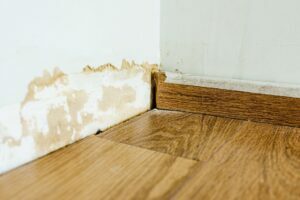
Under the Landlord and Tenant Act 1985, landlords are required to keep the structure and exterior of a rented property in good repair. This includes carrying out necessary repairs to prevent pests gaining access through structural defects such as damaged brickwork, broken vents, gaps around pipework or a leaking roof.
Landlords are also required to ensure their properties remain fit for human habitation throughout the tenancy. If a pest infestation is severe enough to affect the health or safety of tenants, it could mean the property no longer meets the required standard.
Where an infestation arises because of poor maintenance, structural issues or defects that allow pests to enter the building, the landlord’s responsibility is usually clear. In these cases, landlords should arrange professional pest control services as soon as possible while also fixing the underlying issue to prevent the problem returning.
When are tenants responsible?
Not every pest problem is automatically the landlord’s responsibility. There are situations where tenants are responsible for pest control, particularly when an infestation results from tenant behaviour or poor housekeeping.
For example, if a tenant regularly leaves food waste around the property, fails to dispose of rubbish properly or allows bins to overflow, this can attract rodents, flies and other pests. Similarly, poor hygiene or allowing rubbish to build up over a long period may contribute to a pest infestation.
Tenants are expected to behave in what the law describes as a “tenant like manner”. This means taking reasonable care of the property, keeping it clean, disposing of waste properly and reporting maintenance issues in a timely manner.
If tenant negligence directly causes the infestation, the tenant may be expected to pay for pest control rather than the landlord.
What does the tenancy agreement say?
A well-written tenancy agreement should clearly explain each party’s pest control responsibilities.
Many agreements include clauses requiring tenants to keep the property clean, report pest issues promptly and take reasonable steps to prevent pest infestations during their tenancy.
However, a tenancy agreement cannot remove a landlord’s legal responsibility where the infestation has been caused by structural defects or poor maintenance. Even if the agreement states that tenants are responsible for pest control, landlords may still be held responsible if the problem is linked to repairs they should have completed.
Keeping clear records, including a detailed check in inventory at the start of the tenancy, can help establish whether a problem existed before the tenant moved into the property.
Common examples
The cause of an infestation often determines who is responsible.
If a rodent infestation occurs because rats or mice have entered through damaged brickwork or broken air vents, the landlord will normally be responsible. The property needs repairs as well as pest treatment to stop the infestation returning.
On the other hand, if mice are attracted because food has been left out and rubbish has not been disposed of correctly, responsibility may lie with the tenant.
Bed bugs can be more complicated. They are usually brought into a property through luggage, furniture or personal belongings rather than entering through structural defects. If the problem existed before the tenancy began, the landlord is likely to be responsible. If there is evidence that the infestation developed after the tenant moved in, responsibility may rest with the tenant instead.
Cockroaches found in communal areas of apartment buildings are often the responsibility of the landlord or managing agent, particularly where they are responsible for maintaining shared spaces.
What if neighbouring properties are causing the infestation?
Sometimes pests enter a property from neighbouring properties, empty buildings or shared drainage systems.
Although landlords may not have caused the problem directly, they should still investigate when a tenant reports signs of an infestation. Ignoring the issue can allow pests to spread further and increase the damage.
In some cases, neighbouring property owners, management companies or local authorities may also need to become involved to resolve the issue effectively.
Can the local council take action?
Yes. If landlords fail to deal with serious pest issues that affect the condition of a rented property, tenants may contact the local council.
Environmental Health Officers can inspect the property and assess whether there are health hazards. Where serious problems are identified, local authorities may issue an enforcement notice requiring repairs or improvements.
Councils will consider whether the infestation is linked to poor property maintenance, structural damage or other hazards that place tenants at risk. Acting promptly when tenant reports are received can help landlords avoid enforcement action and more costly repairs later.
Preventing pest infestations
Preventing pests is usually far more cost effective than dealing with a large infestation once it has become established.
Regular property inspections allow landlords to identify maintenance issues before they become serious. Sealing entry points around pipes, doors and windows, repairing damaged brickwork and fixing leaks quickly can all reduce the risk of pests entering the property.
Landlords should also encourage tenants to keep the property clean, dispose of waste properly and report signs of pests as soon as they appear. Good communication between landlord and tenant often prevents small problems becoming much larger ones.
Keeping external areas tidy, maintaining bins and ensuring gardens are well looked after can also reduce the likelihood of attracting rodents and insects.
When should landlords call a professional pest control company?
While some minor pest problems can be dealt with quickly, larger infestations almost always require specialist treatment.
A professional pest control company can identify the source of the infestation, determine how pests are entering the property and recommend the most effective treatment. They can also provide advice on preventing future infestations and identify repairs that may be contributing to the problem.
For landlords managing multiple rental properties, using experienced pest control services can minimise disruption for tenants and reduce the risk of recurring infestations.
So, are landlords responsible for pest control UK legislation?
In many cases they are, but responsibility depends on the cause of the infestation.
Where pests are linked to structural defects, poor maintenance or problems that existed before the tenancy began, landlords are generally responsible for arranging treatment and carrying out the necessary repairs. Where an infestation is caused by tenant negligence, poor hygiene or failure to dispose of waste properly, tenants may be responsible instead.
By understanding their legal responsibilities, carrying out regular inspections and responding quickly to pest issues, landlords can protect their properties, maintain good relationships with tenants and avoid more expensive problems in the future. If you’re unsure of the cause of an infestation, contacting an experienced pest control company is often the quickest and most effective way to resolve the issue and keep your property in a safe, habitable condition.