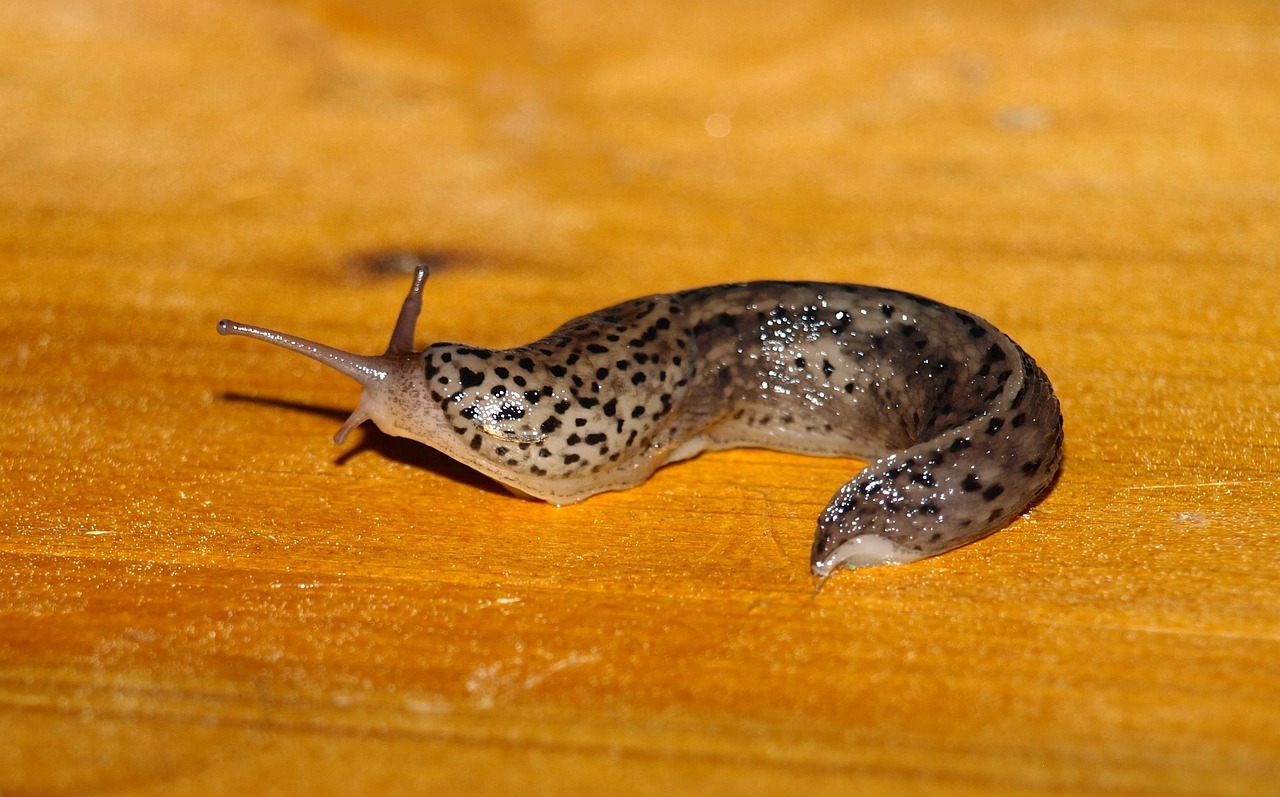
There are few things more unpleasant than walking into your kitchen first thing in the morning and discovering a shiny slime trail across the floor. If you have spotted slugs crawling around your home, you are probably wondering where they are coming from and, more importantly, how to get rid of them.
Slugs are usually associated with gardens, flower beds and damp outdoor spaces, but they can sometimes find their way indoors in search of food, moisture and shelter. From kitchen cupboards and utility rooms to bathrooms and conservatories, these slimy pests can be an unwelcome surprise.
The good news is that there are practical ways to deal with slugs in the house and reduce the chances of them returning.
In this guide, Shield Pest Control shares its top tips for identifying a slug problem, finding out how slugs are getting inside and keeping your home free from these unwanted visitors.
Why are there slugs in my house?
Before you can get rid of slugs in the house, it helps to understand why they are coming indoors in the first place.
Slugs thrive in damp conditions and tend to be most active at night, when temperatures are cooler and humidity is higher. They are often found in gardens, beneath flower pots, under stones and in other sheltered places where they can avoid drying out.
However, your home can offer an attractive environment too, particularly if there are easy entry points and a reliable source of food.
Here are some common reasons you might be experiencing a slug invasion.
Damp conditions: Slugs need moisture to survive, so damp kitchens, utility rooms, bathrooms and basements can provide suitable conditions. Leaks, condensation and poor ventilation may make these areas particularly appealing.
Easy access: Small gaps around doors, windows, pipes and air bricks can provide entry points. Slugs can squeeze through surprisingly narrow spaces, making it important to check for cracks and gaps around the outside of your property.
Food sources: Slugs eat a wide variety of organic material, including decaying plant matter, vegetables and other food debris. Pet food left out overnight, crumbs and accessible rubbish can also attract unwanted pests.
Garden plants: Potted plants, flower pots and vegetation close to external walls can provide shelter for slugs during the day. If these areas are close to doors or windows, slugs may find their way indoors.
Sheltered hiding places: Slugs prefer cool, dark and damp locations. Cluttered storage areas, spaces beneath appliances and corners that are rarely cleaned can offer places to hide.
Understanding what is attracting slugs to your property is the first step towards effective slug control.
Shield’s top tips for getting rid of slugs in the house
Found a slug on your kitchen floor or noticed a mysterious slime trail near the back door? Here is what to do.
Tip 1: Follow the slime trail
One of the most useful clues when dealing with slugs is the trail they leave behind.
Slugs produce mucus as they move, leaving a shiny or silvery line across floors, skirting boards and other surfaces. If you keep finding trails in the same area, they may help you work out where the slugs are entering your home.
Check around external doors, window frames, pipes, kitchen units and appliances. Look for small cracks or gaps nearby, as well as damp areas where slugs might be hiding.
Slugs are often more active at night, so checking affected areas after dark can help you spot them in the act. You could also inspect the same areas first thing in the morning, before cleaning away any fresh slime trails.
Once you have identified the likely route, you can concentrate your efforts on sealing entry points and removing whatever is attracting them.
Tip 2: Remove slugs safely
If you find a slug indoors, you can usually remove it manually using gloves or a suitable tool, then place it in an appropriate outdoor location away from the entrance to your home.
Afterwards, clean the affected surface thoroughly using a suitable household cleaner, following the product instructions. This will remove the slime trail and any associated debris.
Avoid handling slugs with bare hands, particularly if you have cuts or broken skin, and wash your hands thoroughly after dealing with them.
It is also worth checking nearby areas for additional slugs. Finding one does not necessarily mean you have a full slug infestation, but repeated sightings may indicate that several are using the same entry point.
Tip 3: Seal gaps around your home
If slugs keep appearing indoors, the real key to solving the problem is to stop them getting inside.
Inspect the exterior of your property, paying particular attention to:
- Gaps beneath external doors.
- Cracks around window frames.
- Openings around pipes and cables.
- Damaged seals around doorways.
- Gaps around air bricks and other access points.
Use suitable sealant, door seals or other appropriate materials to close gaps where practical, without blocking essential ventilation.
If you have a conservatory, utility room or kitchen extension, check these areas carefully, particularly where the building meets the garden.
Sealing entry points is one of the most effective long-term measures for keeping slugs out of the house. However, make sure you have checked for any slugs already hiding indoors before closing off access routes.
Tip 4: Keep your home clean and food covered
Slugs are not necessarily attracted to a home because it is dirty, but accessible food can encourage them to return.
Keep kitchen surfaces clean, wipe up spills promptly and store food in sealed containers. Empty indoor bins regularly and ensure rubbish is stored securely.
If you have pets, pay particular attention to food bowls. Cat food and dog food left out overnight may attract slugs, especially if the bowls are near external doors or damp areas.
Where practical, remove uneaten pet food before bed and clean the feeding area regularly.
Also check under kitchen appliances, behind bins and around cupboards for food debris or moisture that may be attracting slugs.
Tip 5: Reduce damp conditions
Because slugs need moisture to survive, reducing unnecessary dampness can make your home less appealing.
Fix leaking taps and pipes, address persistent condensation and improve ventilation in bathrooms, kitchens and utility rooms.
If you have damp patches near the floor, investigate the cause rather than simply drying the surface. Persistent moisture could indicate a plumbing issue or another building problem that needs attention.
Outside, avoid allowing water to collect around doorways, flower pots and the foundations of your property. Move plant pots away from external walls where practical, and remove piles of decaying leaves or other garden debris close to entrances.
These steps will not guarantee that slugs stay away, but they can help make your home less inviting.
Do natural slug repellents work?
Search online for ways of repelling slugs and you will find plenty of suggestions involving coffee, beer, copper and other household items.
Some methods may help in particular situations, but their effectiveness varies. Here is what you should know before trying them.
Coffee grounds and ground coffee beans
Coffee grounds are often suggested as a natural remedy for slugs, with some people sprinkling them around plants or entrances to deter the pests.
However, the evidence that coffee grounds reliably repel slugs is limited. Used coffee grounds should not be relied on as the main solution to a slug problem, particularly indoors.
Some research has investigated caffeine as a slug deterrent, but the effects depend on the concentration and conditions. Ordinary coffee grounds and instant coffee granules are not equivalent to tested caffeine treatments.
Avoid scattering coffee around indoor floors or food preparation areas. It can create mess, and damp grounds may contribute to mould if left in place.
Beer traps
Beer traps are a popular garden method for catching slugs. The smell can attract slugs, which enter a container and may become trapped.
Although they can catch some slugs outdoors, beer traps are not a reliable way to stop slugs entering your house. They also need regular checking and cleaning.
Keep beer traps away from children and pets, and avoid placing them where other animals could access the contents.
For an indoor slug problem, finding and sealing the entry points is generally a more practical starting point.
Copper tape
Copper tape is sometimes used around plant pots and raised planters because contact with copper may discourage slugs from crossing the barrier.
However, results can vary, and copper tape is not a guaranteed solution. Dirt, moisture and gaps in the tape can affect its performance.
It may be worth considering for protecting certain outdoor potted plants, but it should not replace sealing gaps around your property or removing slugs already inside.
Eggshells and diatomaceous earth
Crushed eggshells are another commonly suggested remedy. The idea is that their rough texture will deter slugs, but there is little convincing evidence that eggshells provide dependable protection.
Diatomaceous earth is sometimes used as a barrier, but its effectiveness can be reduced by moisture. Dust products may also irritate the respiratory system, so they should not be scattered around indoor living spaces without checking the product’s intended use and safety instructions.
The same applies to other homemade remedies. Natural does not automatically mean effective or safe for children and pets.
Our advice: Rather than relying on one homemade repellent, focus on reducing moisture, removing food sources, checking for hidden slugs and sealing the gaps they use to enter.
Are slug pellets a good solution?
Slug pellets are often used to protect garden plants and vegetables from slug damage, but they are not usually the best first step when dealing with slugs inside your house.
Some slug pellets contain active ingredients that can be harmful to pets and wildlife if used incorrectly. Even products marketed for garden use must be handled according to their instructions and should never be placed where children or pets could access them.
If you are considering slug control products, check that they are authorised for the intended use and follow all label directions.
For a slug problem indoors, removing the slugs, cleaning affected areas, reducing dampness and sealing entry points are generally more appropriate measures.
How to stop slugs coming back into your house
Once you have removed the slugs, you will want to prevent another invasion. A few regular habits can make a difference.
Keep plants away from entrances. Potted plants and flower pots placed directly beside doors or walls can provide hiding places. Move them slightly away from the house where practical and check underneath them regularly.
Tidy the garden. Remove decaying leaves, keep vegetation under control around doorways and avoid leaving piles of damp garden waste against external walls.
Check pet feeding areas. Keep cat food and other pet food covered or remove uneaten portions overnight, particularly if feeding takes place near an external entrance.
Inspect entry points regularly. Check door seals, window frames and gaps around pipes for damage. Repairing small openings promptly can help reduce access for slugs and other pests.
Clean affected areas. Remove slime trails and keep floors and corners clean, especially in areas where slugs have been spotted before.
Check after dark. If the problem keeps returning, an evening inspection can help you identify where slugs are travelling and whether they are coming from the garden, a damp cavity or another part of the property.
Consistency is important. Removing one slug will not solve the problem if the entry point and conditions attracting them remain unchanged.
When should you call a pest control professional?
Occasional slugs can often be dealt with using straightforward cleaning and prevention measures. However, if you repeatedly find slugs in different rooms, cannot identify where they are entering or suspect a persistent damp issue, it may be worth seeking professional advice.
A pest control specialist can help assess the situation, identify potential access points and recommend suitable measures to reduce further activity.
At Shield Pest Control, we understand how frustrating unwanted pests can be. Our aim is to help you understand the problem and identify appropriate ways to manage it.
Explore our pest control services to find out more about the support available, or visit our insect pest control services page for information about other unwanted pests around your property.
You can also learn more about our residential pest control services if you are experiencing ongoing pest problems at home.
Keep your home free from slugs with Shield Pest Control
Discovering slugs in your house is unpleasant, but it does not have to become a long-term problem.
The best way to get rid of slugs in the house is to tackle the cause rather than just the symptoms. Follow slime trails to identify possible entry points, seal gaps around doors and windows, reduce damp conditions and remove food sources that could attract them.
Although beer traps, coffee grounds and copper tape are popular suggestions, they are not guaranteed solutions for indoor slug control. Practical prevention and a consistent approach are usually more useful.
If slugs keep returning despite your best efforts, professional advice can help you work out what is happening and decide on the next steps.
Need help with unwanted pests in your home? Contact Shield Pest Control to discuss your slug problem and find out how we can help.