Woodworm might not be the first thing that comes to mind when you think about household pests, but it can cause problems for homeowners across the UK. From tiny holes in antique furniture to damage hidden inside floorboards and roof timbers, these unwelcome visitors can sometimes go unnoticed for years.
If you live in an older property, it is particularly worth keeping an eye out for the common signs of woodworm. Original wooden beams, floorboards and other structural timbers can provide a home for wood-boring beetles, especially if the wood has been exposed to damp conditions.
The good news? Spotting the problem early and taking the right steps can help protect your property from further damage.
So, what is woodworm, what causes it, and how do you get rid of it? Shield Pest Control shares its top tips for identifying woodworm, preventing an infestation and knowing when to call in the professionals.
First things first: what is woodworm?
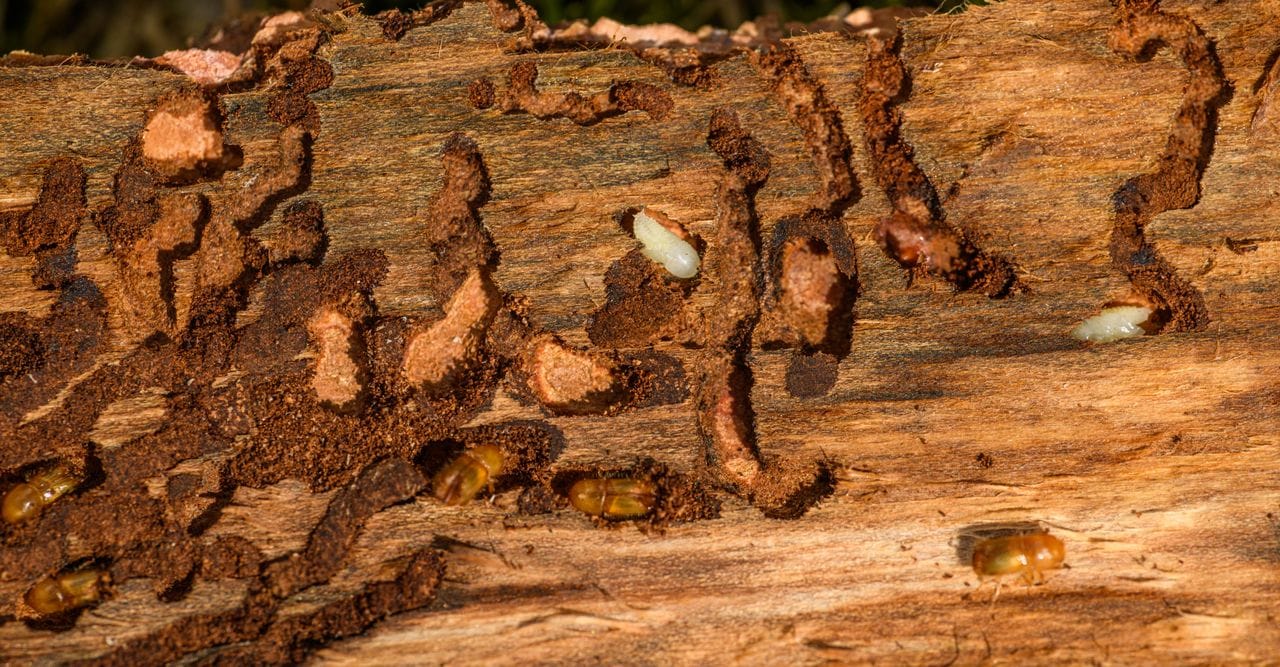
Despite its name, woodworm is not actually a worm. It is the term used to describe the larvae of several species of wood-boring beetles.
These beetles lay their eggs in suitable wood. Once the eggs hatch, the woodworm larvae burrow into the timber and feed on it, creating tunnels beneath the surface. Depending on the species and conditions, the larvae can remain hidden inside the wood for several years before developing into adult beetles.
When the adult beetles emerge, they leave behind the small, round holes that many people recognise as a sign of woodworm.
Woodworm can affect all sorts of wooden items around your home, including:
- Floorboards and wooden flooring.
- Roof timbers, joists and beams.
- Skirting boards, doors and windowsills.
- Antique furniture and second-hand wooden pieces.
- Wooden cupboards, tables and chairs.
Not every type of woodworm causes the same level of damage. Some infestations affect furniture or small wooden objects, while others can damage structural timbers if left untreated.
The important thing is to work out what you are dealing with before deciding on the best solution.
What does woodworm look like? Five signs to look out for
Wondering whether those little holes in your floorboards are something to worry about? Here are five common signs of woodworm to look out for.
1. Small holes in wooden surfaces
The most recognisable sign of woodworm is a collection of small, round holes in the surface of wood. These are known as exit holes and are created when adult beetles emerge from the timber.
The size of the holes can vary depending on the species. For example, the common furniture beetle typically leaves holes around 1–2 mm in diameter.
You might spot them on furniture, floorboards, beams or other wooden features around your property.
However, there is an important distinction to make: old holes do not necessarily mean you have an active woodworm infestation. They could be evidence of a problem that occurred years ago.
2. Fine wood dust beneath the wood
Have you noticed a fine, powdery substance collecting beneath a wooden table or around your floorboards?
This could be frass, a mixture of wood particles and waste associated with the activity of wood-boring beetle larvae.
Fresh frass appearing alongside exit holes can indicate recent activity, although it is not conclusive on its own. Other sources of dust or debris can sometimes look similar.
3. Beetles around windows and windowsills
Adult beetles may occasionally be spotted crawling around windows, windowsills or other areas of a property.
They are often attracted to light and may gather around windows after emerging from infested timber. If you notice small beetles indoors alongside holes in nearby wood, it is worth investigating further.
4. Wood that looks damaged or feels weak
Woodworm larvae create tunnels as they feed inside timber. If the damage becomes extensive, the wood may start to look rough, crumble around the surface or lose strength.
This is particularly concerning if the affected timber forms part of your home’s structure, such as a floor joist or roof beam.
Avoid assuming that all damaged wood is caused by woodworm. Damp, rot and other forms of deterioration can produce similar signs.
5. New holes appearing over time
If you have cleaned away the wood dust and notice fresh deposits appearing again, or new exit holes developing, it may suggest that beetles are still active.
Keeping an eye on the affected area can help you identify changes, but it is best to get professional advice if you are unsure whether the infestation is ongoing.
What causes woodworm? And why are older houses at risk?
Woodworm occurs when wood-boring beetles find suitable timber in which to lay their eggs. Certain conditions can make a property more vulnerable, although no home is completely immune.
Older houses are often associated with woodworm because they may contain original floorboards, roof timbers, wooden beams and other features that have been in place for decades.
Some older properties have also experienced damp problems over the years. Moisture can make timber more suitable for certain beetle species, including the death watch beetle, which is associated with damp, decaying hardwood.
However, damp is not a requirement for every type of woodworm. The common furniture beetle, for example, can infest seasoned timber, so dry wood is not automatically safe.
Woodworm can also be introduced through second-hand furniture, antique pieces or infested timber brought into a property.
If you live in an older house, there is no need to panic. Regularly checking accessible wooden areas and dealing with moisture problems promptly are sensible ways to reduce the risk.
Shield’s top tips for getting rid of woodworm
Found some suspicious holes in your furniture or floorboards? Here are our top tips for dealing with a possible woodworm problem.
Tip 1: Don’t panic, but don’t ignore it
Finding woodworm can be worrying, particularly if it appears in structural timbers. However, a few small holes do not automatically mean your home has a serious infestation.
The first step is to establish whether the activity is recent and how much wood has been affected.
Look for a combination of signs, such as fresh frass, adult beetles and newly appearing exit holes. If you are unsure, seek advice from a pest control professional who can help assess the problem.
Tip 2: Check where the woodworm is hiding
Woodworm is not always easy to spot because the larvae spend much of their life cycle hidden inside the timber.
Check accessible wooden areas around your home, paying particular attention to:
- Floorboards and the areas around them.
- Roof spaces and exposed beams.
- Joists and other accessible structural timbers.
- The underside of wooden furniture.
- Antique furniture, cupboards and storage units.
- Wooden items kept in garages, sheds or other outbuildings.
If you discover signs of woodworm in one area, do not automatically assume the entire property is affected. Instead, investigate the surrounding timber and consider whether a wider inspection is needed.
Tip 3: Deal with damp and moisture problems
If you have woodworm, it is worth checking whether damp conditions could be contributing to the problem.
Look out for leaking pipes, damaged roof coverings, blocked gutters and poor ventilation. Addressing these issues can help make the environment less suitable for beetle species that favour damp timber.
Remember, though, that drying out your property will not necessarily get rid of an existing infestation. Some wood-boring beetles can survive in relatively dry timber, so further treatment may still be needed.
Tip 4: Be careful with DIY woodworm treatments
There are various woodworm treatment products available, including solutions designed to be applied directly to affected timber.
However, choosing the right treatment is important. Products vary in their intended use, and a surface treatment may not be suitable for every species or infestation.
The product also needs to be applied correctly, following the manufacturer’s instructions and safety precautions. Simply coating the surface may not be enough to address larvae hidden deeper inside the wood.
Be particularly careful if you suspect woodworm in roof timbers, floor joists or other structural areas. Professional advice can help establish whether treatment, further investigation or repairs are required.
For valuable antique furniture, consider consulting a furniture conservation specialist before applying any chemicals that could damage the finish.
Tip 5: Don’t forget about structural damage
Woodworm can sometimes cause significant damage when larvae tunnel through structural timber over an extended period.
If affected floorboards, joists or beams appear weak, crumbly or badly damaged, arrange an assessment by a suitably qualified building professional or structural engineer.
Pest treatment may help address an active infestation, but it will not restore timber that has already lost its strength. Repairs or replacement may be necessary in more serious cases.
Tip 6: Get professional advice if the problem persists
If you keep finding fresh frass, new exit holes or adult beetles, it is worth getting the problem assessed rather than repeatedly treating the surface yourself.
A professional can help identify the likely beetle species, assess the extent of the infestation and recommend suitable treatment options.
Explore Shield Pest Control’s pest control services to find out more about the support available for unwanted pests.
How does woodworm spread?
Understanding the woodworm life cycle can help you protect your home.
Adult beetles lay eggs in suitable places on or within timber, including cracks, crevices and existing holes. When the eggs hatch, the larvae burrow into the wood and begin feeding.
Depending on the species and environmental conditions, this stage can last for several years. Eventually, the larvae develop into adult beetles and emerge through exit holes, ready to mate and lay eggs of their own.
Woodworm can spread when adult beetles emerge and lay eggs in other suitable pieces of timber. Infested furniture or wood brought into a property can also introduce beetles.
However, woodworm does not spread through your home like an ant colony. Finding it in one item does not mean every wooden surface is affected.
If you suspect that woodworm has spread to several areas, a professional inspection can help establish the extent of the problem.
How can you prevent woodworm in the future?
While it is not always possible to prevent wood-boring beetles from entering a property, a few simple steps can help protect your wooden belongings and structural timbers.
Keep damp under control. Repair leaks, maintain ventilation and investigate persistent moisture problems. This is particularly important in older properties with exposed timber.
Inspect second-hand furniture. Before bringing antique or used wooden furniture into your home, check for small holes, frass and other signs of damage.
Maintain your property. Check accessible roof spaces, floorboards, sheds and other wooden structures periodically so you can spot potential problems early.
Use suitable wood preservatives. Where appropriate, recognised protective treatments may help reduce the risk of certain wood-boring beetles. Always check that the product is suitable for the timber and follow the instructions.
Investigate suspicious signs. Do not ignore fresh wood dust, newly appearing holes or unexplained deterioration. Getting advice early can help you understand whether action is needed.
These steps are particularly useful if you own an older property or have valuable wooden furniture that you want to protect.
Protect your home with Shield Pest Control
Woodworm might be small, but the damage it causes can sometimes be significant, particularly when it affects structural timbers in older homes.
The key is to know what to look for, understand the difference between old damage and a potentially active infestation, and take appropriate action when needed.
If you have noticed suspicious holes in your floorboards, damaged wooden furniture or signs of woodworm in your property, getting the right advice can help you decide what to do next.
Shield Pest Control provides support for homeowners dealing with unwanted pests. Find out more about our insect pest control services or explore our residential pest control services to learn more about the help available.