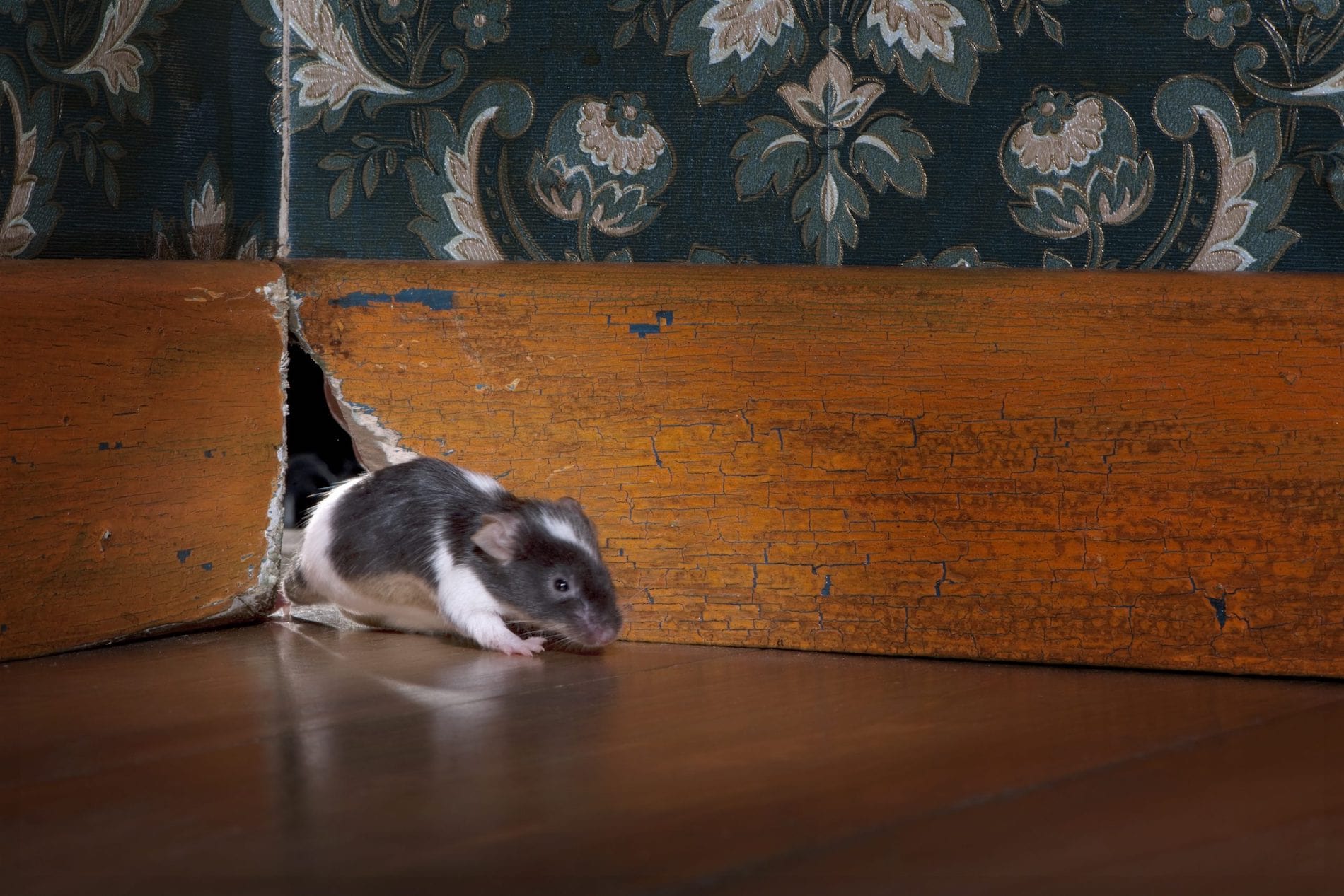
In London, mice are part of the landscape. Whether it’s a period terrace, a converted flat or a commercial unit, most properties will encounter rodents at some point. The issue is rarely whether mice will appear, but how quickly they’re noticed.
And that’s the problem. House mice are quiet, quick and good at staying out of sight. By the time most people realise something’s wrong, there’s already an established mouse infestation behind the scenes and controlling mice can become extremely difficult.
Knowing what to look for makes all the difference.
Why Do Mice Enter London Homes?
London properties, particularly older ones, offer everything mice need without much effort. Warmth from central heating boilers, easy access through ageing brickwork, and a steady supply of food all play a part.
Mice live comfortably in cavity walls, under floorboards, and above suspended ceilings. In blocks of flats or terraced housing, they’ll often move between properties unnoticed, using pipe cables and structural gaps like hidden corridors.
They don’t need much space either. A small gap around exterior doors or a poorly sealed opening is enough. Once inside, they tend to stay put, especially if food sources are consistent. Therefore it is important to seal entry points to enhance your mouse control protection and prevent mouse infestation.
Mouse droppings: the tell-tale sign most people miss at first
1. Mouse Droppings: One of the First Signs of a Mouse Infestation
For many households, the first signs of mice is mouse droppings, although they’re often dismissed initially as dirt or debris.
They’re small, dark and slightly pointed at the ends, usually found tucked along walls or hidden in cupboards. Kitchens are a common hotspot, particularly under the kitchen sink or near food containers.
What matters is frequency. Finding one or two might not seem like much, but if you continue to find mouse droppings in the same area, it points to regular mouse activity.
Fresh droppings are darker and softer. Older ones dry out and crumble. If you’re seeing both, it suggests the problem has been there longer than you think.
2. Gnaw Marks and Damage Caused by House Mice
Mice eat constantly which is why the can become a huge pest problem. It’s not just about hunger, it’s instinct. Their teeth never stop growing, so they gnaw to keep them in check.
That’s where the damage starts to show.
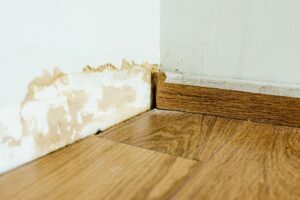
You might notice gnaw marks on food packaging, especially anything stored in cardboard or soft plastic. Storage boxes are another target, as are skirting boards and even softer materials like insulation.
Wires are a particular concern. It’s not uncommon for mice to chew through electrical cables, which introduces a real risk of electrical fires. In London homes, where wiring can already be dated, this becomes more than just a nuisance.
3. Oily Rub Marks Along Walls and Skirting Boards
This is one people often overlook.
Mice don’t wander aimlessly. They follow the same routes over and over again, usually sticking close to walls. Over time, repeated contact leaves behind dark grey marks or what we call oily rub marks.
These come from body grease in their fur. You’ll typically see them along skirting boards or tight corners where mice pass frequently.
They’re subtle. Easy to ignore. But once you spot them, they’re hard to unsee.
4. Scratching Noises and Mouse Activity at Night
You hear it late at night. A faint scratching. Maybe a light scurrying sound behind the wall.
Then it stops.
Mice are nocturnal, so most of their activity happens when the house is quiet. In properties with roof spaces or suspended ceilings, the sound can travel in odd ways, making it difficult to pinpoint.
Sometimes it’s brief, sometimes more persistent. Either way, it’s rarely nothing.
5. Mouse Nests and Shredded Nesting Materials
Mice build nests wherever they feel safe and undisturbed.
Lofts are an obvious choice, but they’re just as likely to settle behind appliances, inside airing cupboards or within cavity walls. They use whatever they can find. Paper, fabric, insulation, even bits of cardboard.
If you come across small mounds of shredded material, especially in tucked-away areas, it’s worth paying attention. Nests are usually positioned close to food, so the mice don’t have to travel far.
It’s not a definitive sign, but it’s one we hear about often.
6. Can Pets Detect Mice in Your Home?
Dogs and cats tend to notice mice before people do. They’ll linger near cupboards, stare at walls, or become unusually focused on certain spots in the house.
On its own, it might not mean much. Paired with other signs, it can confirm suspicions.
How Quickly Can a Mouse Problem Become an Infestation?
It’s easy to underestimate mice. They’re small, after all. Easy to dismiss.
But a mouse problem doesn’t stay small for long.
Mice breed quickly. What starts as a couple of rodents can turn into a full infestation in a matter of weeks. Alongside the damage, there are health concerns too. Contaminated food, bacteria spread across surfaces, and the risk of diseases are all part of the picture.
In densely packed areas of London, the issue rarely stays contained to one property either.
Are Mouse Traps Enough to Control a Mouse Infestation?
Most people start with mouse traps. It’s the obvious first step.
And sometimes, they work, to a point.
But traps tend to deal with individual mice, not the wider infestation. You might catch one or two, yet the underlying problem remains. Mice tend to stay hidden, and without identifying entry points or nesting areas, control efforts can feel like guesswork.
It’s also not uncommon for people to miss how mice are getting in altogether.
Professional Pest Control for Mice in London
This is where things shift.
At Shield Pest Control, the focus isn’t just on removing mice, it’s understanding how and why they’re there in the first place. That means identifying entry points, tracking movement patterns, and locating nests.
From there, we put proper mouse control measures in place. Not just traps, but a combination of targeted treatments and proofing work designed to stop the problem returning.
In London properties especially, that level of detail matters. Without it, you’re often just scratching the surface.
Most mouse problems don’t start with something obvious. It’s usually a small sign, a bit of movement, a few droppings, a noise you can’t quite explain.
The earlier those signs are picked up, the easier it is to deal with.
Leave it too long, and it becomes something else entirely.
That’s typically the point we get the call.
Get in touch with our friendly team for mice pest control services today.
Frequently Asked Questions About House Mice
My house is clean. Why do I have mice?
Mice don’t only enter properties that are dirty. They may be attracted by warmth, shelter, nesting materials and easy access to food or water. Even a clean house can have potential entry points around exterior doors, pipework, walls and gaps in brickwork. Pet food, stored food and crumbs can also provide food sources if they are accessible. Finding mice doesn’t necessarily mean your home is unclean.
What are the most definitive signs of a mouse infestation?
Mouse droppings, gnaw marks, oily rub marks, scratching noises and shredded nesting materials are all common signs of mice. Fresh droppings and repeated mouse activity in the same areas may indicate an active infestation. Seeing a dead mouse doesn’t necessarily mean the problem has ended, as other mice may remain hidden inside walls, lofts or cavity spaces.
Where do mice hide in a house?
House mice tend to hide in quiet, sheltered areas close to food sources. Common hiding places include loft insulation, cavity walls, crawl spaces, spaces behind washing machines and other appliances, airing cupboards and areas beneath floorboards. Mice may also build nests from shredded paper, fabric and other soft materials.
What attracts mice to a clean home?
Mice look for warmth, shelter, nesting materials and accessible food. Pet food, food packaging, poorly sealed food containers and stored food can all provide easy access to food sources. When temperatures drop, mice may also seek shelter indoors. Small gaps around pipes, walls and exterior doors can provide possible entry points.
How do I prevent mice from entering my house?
To help prevent mice, seal potential entry points around pipes, doors, walls and other structural gaps. Suitable proofing materials may include steel wool or wire wool embedded securely into appropriate gaps, copper mesh and wire mesh, depending on the location. Store food in airtight containers, keep pet food inaccessible when not in use, and remove accessible nesting materials. Regularly check lofts, cupboards and other sheltered areas for signs of mouse activity.
Are mouse droppings dangerous?
Mouse droppings can pose health risks because rodents may contaminate food and surfaces with bacteria or other pathogens. Avoid sweeping or vacuuming droppings while dry, as this can release contaminated particles into the air. Follow appropriate public health guidance for safe cleaning, use suitable protective equipment, and immediately wash your hands after handling contaminated materials. If you find substantial amounts of droppings or evidence of a larger infestation, consider contacting professional pest controllers.
Does peppermint oil deter mice?
Peppermint oil is sometimes suggested as a home remedy to deter mice, but it should not be relied upon to resolve a mouse infestation. Even if a scent temporarily discourages activity in one area, it will not seal entry points or remove nests. Identifying how mice enter the property and addressing accessible food sources are important parts of controlling mice.
When should I contact professional pest control?
Consider professional pest control if you continue to find fresh droppings, hear scratching noises, discover repeated gnaw marks or catch mice without resolving the problem. Professional pest controllers can investigate potential entry points, identify signs of nesting and recommend suitable control measures. They can also advise on proofing and the safe use of mouse traps or other treatments to help prevent the infestation from returning.
By Robert Hayden, Senior SurveyorEver spotted a bug crawling across your kitchen floor and wondered what on earth it is? You're certainly not alone. ......
There are few things more unpleasant than walking into your kitchen first thing in the morning and discovering a shiny slime trail across the floor. ......
As the days get shorter and temperatures begin to drop, many UK households start noticing a familiar seasonal visitor: the house spider. From large spiders ......
Shield Pest Control Managing Director, Daniel Steward, is proud to celebrate 25 rewarding years at the business, following in the footsteps of his father, Allan Steward, ......
Seeing a few ants in the garden is perfectly normal, especially during the warmer months. But what happens when they start appearing in your kitchen, ......