The Public Health Hazards of Pests: Why Immediate Action is Essential
Pest Control London » News » The Public Health Hazards of Pests: Why Immediate Action is Essential
7 May 2025
The Public Health Hazards of Pests: Why Immediate Action is Essential
Pests are more than just a nuisance – they pose a significant public health risk, especially in shared spaces such as hospitals, parks, and public buildings. Infestations can spread dangerous diseases, contaminate food and water supplies, and compromise hygiene standards. Shield Pest Control is acutely aware of these risks and urges swift action at the first sign of pests to prevent serious health hazards.
How Pests Spread Disease
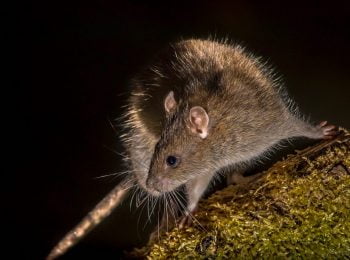
Many common pests, including rats, mice, cockroaches, birds, and flies, can carry harmful pathogens. When these pests invade public spaces, the risk of widespread illness increases dramatically. Here are some of the most serious diseases that can result from pest infestations:
Salmonella, Dysentery & Gastroenteritis
Cockroaches and flies can spread these illnesses by contaminating food and food preparation areas. When pests come into contact with food, they transfer bacteria that can cause severe stomach cramps, diarrhoea, and vomiting. Rodents also contribute to these infections by contaminating stored food with their droppings and urine.
Hantavirus
Although rare, hantavirus is a serious illness caused by exposure to infected mouse or rat droppings, urine, or saliva. It can lead to fever, haemorrhage, and, in severe cases, kidney failure.
Weil’s Disease (Leptospirosis)
Spread through rat or mouse urine, Weil’s disease can contaminate water supplies, making it especially dangerous in agricultural and outdoor public spaces. This disease starts with flu-like symptoms but can escalate to life-threatening conditions such as meningitis or liver failure.
Pneumonia, E. Coli, and Listeria
Bird droppings can contain harmful bacteria such as E. coli and listeria. If left to accumulate, dried droppings can become airborne dust, leading to respiratory infections like pneumonia. In public areas, especially hospitals and food service locations, this contamination can pose a severe risk to vulnerable individuals.
The Importance of Pest Control in Public Spaces
When pests infest public areas such as hospitals, parks, and office buildings, the risks extend beyond individual health concerns. Unchecked pest populations can contribute to outbreaks of disease, damage public infrastructure, and create unsafe conditions for visitors and workers.
Hospitals and Healthcare Facilities
In hospitals, maintaining hygiene is critical. Any pest infestation can compromise sterile environments, putting patients—especially those with weakened immune systems—at serious risk. Cockroaches, rodents, and flies can contaminate medical equipment, food, and surfaces, leading to infections that could have life-threatening consequences.
Parks and Open Spaces
Public parks and recreational spaces are not immune to pest problems. Birds, rodents, and insects can spread disease through contaminated water, food sources, and picnic areas. Children, who are more susceptible to infections, are especially at risk when playing in areas with pest droppings or contaminated surfaces.
Food Service Areas and Office Buildings
Restaurants, cafeterias, and office kitchens must maintain strict hygiene standards. A pest infestation in these spaces can lead to foodborne illnesses and damage reputations. Mice and cockroaches can gnaw through packaging, contaminate stored food, and spread bacteria across preparation areas.
Taking Action: The Role of Professional Pest Control
The good news is that the risks associated with pest infestations are preventable with proper pest management strategies. Shield Pest Control has invested heavily in technology and training to ensure pests are controlled efficiently, minimising the risk to public health.
Advanced Monitoring and Reporting Systems
Shield Pest Control utilises an electronic reporting management system that provides real-time updates, complete with on-site images, to help businesses and public facilities stay ahead of potential infestations. Field operatives use handheld PDAs to record essential visit and site data, ensuring accurate and up-to-date information for managing agents.
Expert Solutions for Bird Control
Bird infestations can pose particular challenges, especially in urban environments. Shield Pest Control is one of the few companies in the UK with a dedicated bird control team. By deploying innovative and effective bird deterrent systems, they have successfully managed infestations in high-risk areas such as hospitals, including Queen’s Hospital, managed by Sodexo.
Prompt and Efficient Pest Elimination
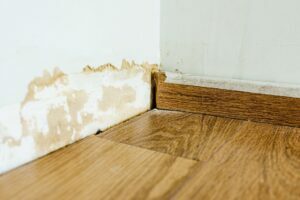
At the first sign of a pest problem—whether it’s droppings, gnawed packaging, or sightings—taking immediate action is crucial. Shield Pest Control provides expert assessments and tailored solutions to prevent infestations from escalating into serious health hazards.
Shield Pest Control Managing Director, Daniel Steward, is proud to celebrate 25 rewarding years at the business, following in the footsteps of his father, Allan Steward, ......
Seeing a few ants in the garden is perfectly normal, especially during the warmer months. But what happens when they start appearing in your kitchen, ......
Whether you're responsible for a commercial property, agricultural land, public space or business premises, dealing with pests effectively is about much more than simply applying ......
At Shield Pest Control, we're proud to have a team of dedicated professionals who are passionate about delivering exceptional service to our customers. Today, we're ......